The Geodesic Site: Where the Past Once Met the Future

The time I gave friend Brad Koldehoff, who is a retired Illinois archaeologist, a tour of the Fuller Dome Home Museum he told me there was a local archaeological site called the Geodesic Site. Given my strong interest in both archaeology and Fuller, and my desire to link the two, I had to know more. Originally, we assumed the site was located near Campus Lake because a geodesic pavilion once stood near it, and another, “Bucky’s Haven,” remains next to it today. Brad also told me the site dated to the Middle Woodland Period, which places it roughly at the time of Christ. 

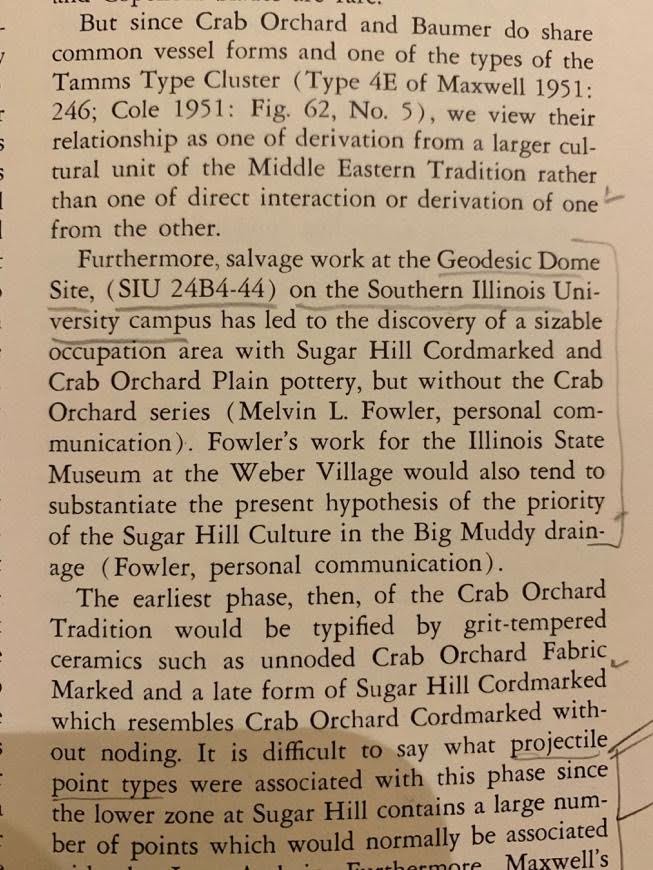
A couple weeks later Brad sent me photos of the report cover and the blurb about the site.
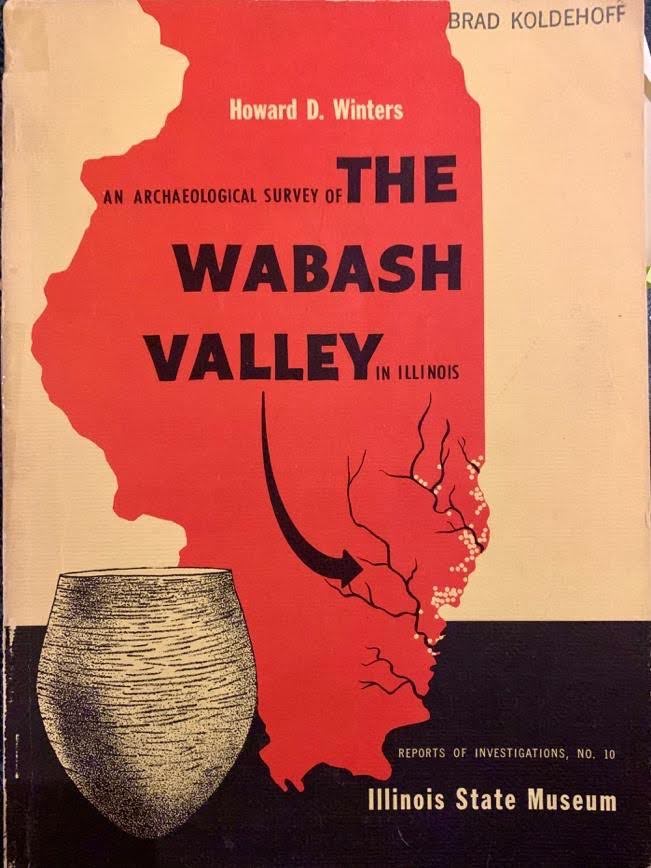
Cover of An Archaeological Survey of the Wabash Valley in Illinois by Howard D. Winters
Excerpt from an archaeological report describing the Geodesic Dome Site at SIU Carbondale

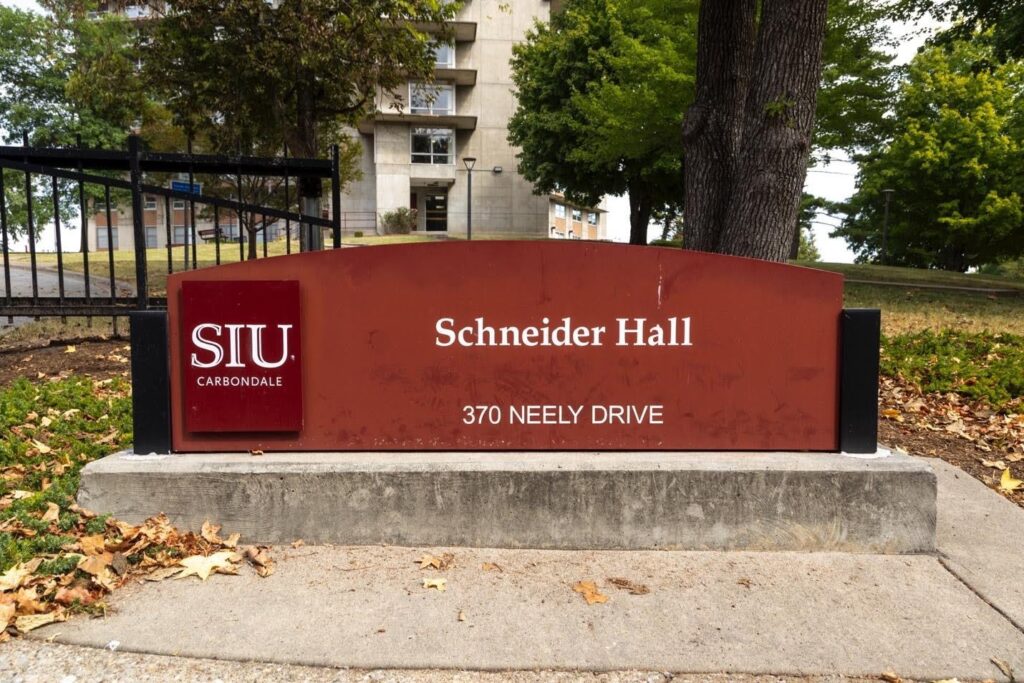
With this information I contacted another friend, who is an archaeologist at the Center for Archaeological Investigations at Southern Illinois University Carbondale, Dr. Ryan Cambell. Dr. Campbell looked the report up and provided me with the included map of the site. To my surprise, it was located near Schneider Hall – one of three student dorm highrises all grouped together on the southeast side of campus. These highrises are nowhere near the lake. Dr. Campbell also told me the excavation was conducted in 1957 and the report was completed in 1970.

Hand-drawn map showing the Geodesic Site near Schneider Hall on the SIU Carbondale campus

A Geodesic Building That Never Was

After checking around with some other knowledgeable people, I learned there was a planned geodesic building intended to be the new school of design for the University. Bucky was being contracted as a visiting professor by this time, so his influence on the planned school of design building came as no surprise. For reasons unclear at this point, the geodesic building was scrapped, and the school of design was moved into the nearby barracks, which are located next to the train tracks that bisect town. I speculate the construction of the geodesic building was abandoned because student housing quickly became a critical issue at that time and the University needed a solution pronto. The administration may have figured that with the salvage excavation having already been completed for the geodesic building, time could be saved, thus expediting the construction of additional dorms. Salvage excavations can take several years to complete if something important is found. 

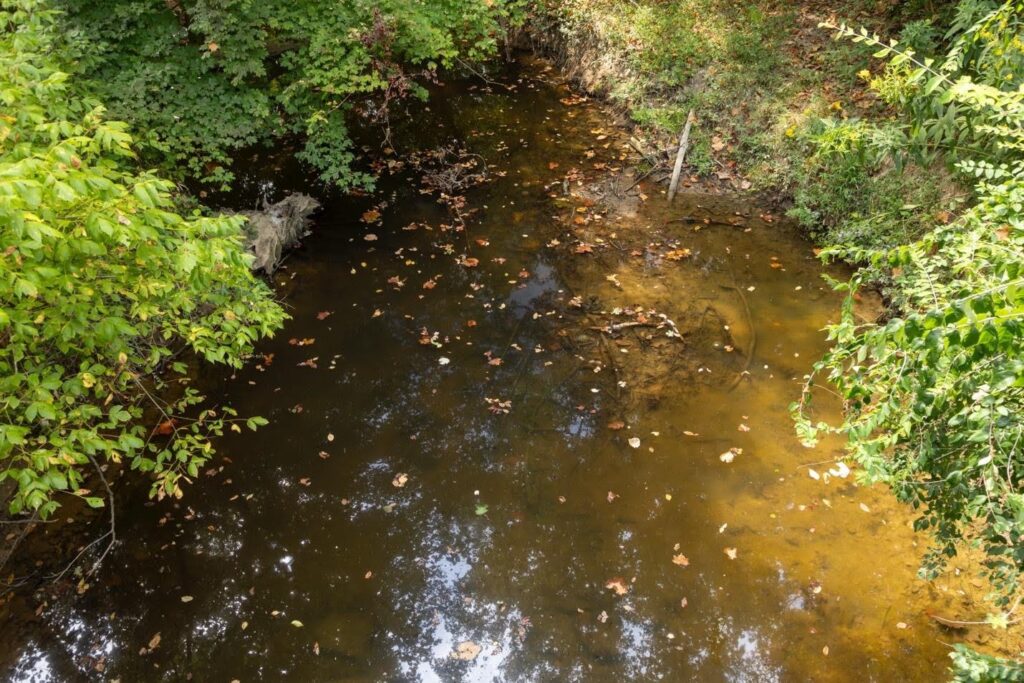
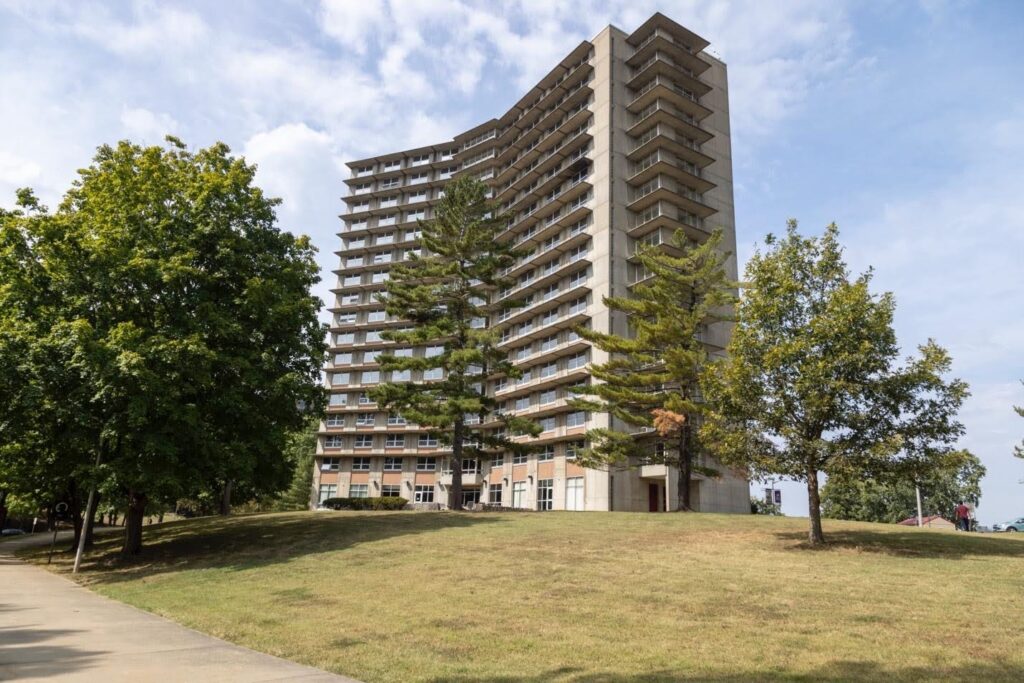
Each of the three student highrises, (colloquially known as the Towers) erected in the geodesic’s place, were completed by the mid to late 1960s, and Schneider Hall sits directly adjacent (if not on top of) to the prehistoric village. Per Dr. Campbell, the village measured approximately 50×200 feet. Its location makes sense given the fact there is a nearby creek that still retained a fair amount of water during a drought late September, 2025. Most pre-Contact habitation sites are located near a reliable water source. It is interesting how moving forward often intersects with the past.

Grassy area near Schneider Hall marking the approximate location of the prehistoric village at SIU Carbondale
The approximate location of the village.
Schneider Hall viewed from the hill where the prehistoric village once stood at SIU Carbondale
Looking up at the hill where the village once stood, and Schneider Hall.
Schneider Hall at SIU Carbondale
Schneider Hall at Southern Illinois University Carbondale.
Creek near the Geodesic Site at SIU Carbondale during a drought in September 2025
The nearby creek during a prolonged drought in late September, 2025.

Looking to the Cosmos

In many ways, several guiding principles were shared between Bucky and prehistoric man. It is becoming clearer the extent prehistoric people incorporated the cosmos into their everyday belief systems. Many ancient ceremonial geographies have been found around the world,  with some dating back several thousand years, that involve an aspect (or aspects) of the relative movement of our cosmos to us earth dwellers. The mechanisms of these celestial movements are core to Bucky’s concept of synergistics.

Doing More With Less

Sustainability was also a shared guiding principle between Bucky and prehistoric man. Sustainable living was essential during ancient times because resource mismanagement would have led to their swift demise. An example of this can be seen in the fact prehistoric man would either restore, recycle, or upcycle stone tools over and over again, until they could no longer be used for anything at all. Spear points would be converted into drills (and then used until the bit was fully worn), and hoes could be repurposed into adzes. Earth’s past people depended on the value of doing more with less.

What the Past Can Teach the Future

Last, it takes the latter half of an age of  perceived excess for us to relearn the importance of this intersection between our past and our future. Many people have said Bucky was inventing solutions for problems that did not exist. This is the problem with times of excess – they give a false sense of security. Sustainability is always crucial, including during times of perceived excess. The “good times” are always fleeting, and potentially damaging for the longterm, and we cannot allow them to shortchange our generations to come.

Mike Chervinko


The time I gave friend Brad Koldehoff, who is a retired Illinois archaeologist, a tour of the Fuller Dome Home Museum he told me there was a local archaeological site called the Geodesic Site. Given my strong interest in both archaeology and Fuller, and my desire to link the two, I had to know more. Originally, we assumed the site was located near Campus Lake because a geodesic pavilion once stood near it, and another, “Bucky’s Haven,” remains next to it today. Brad also told me the site dated to the Middle Woodland Period, which places it roughly at the time of Christ. 

A couple weeks later Brad sent me photos of the report cover and the blurb about the site.
Cover of An Archaeological Survey of the Wabash Valley in Illinois by Howard D. Winters
Excerpt from an archaeological report describing the Geodesic Dome Site at SIU Carbondale

With this information I contacted another friend, who is an archaeologist at the Center for Archaeological Investigations at Southern Illinois University Carbondale, Dr. Ryan Cambell. Dr. Campbell looked the report up and provided me with the included map of the site. To my surprise, it was located near Schneider Hall – one of three student dorm highrises all grouped together on the southeast side of campus. These highrises are nowhere near the lake. Dr. Campbell also told me the excavation was conducted in 1957 and the report was completed in 1970.
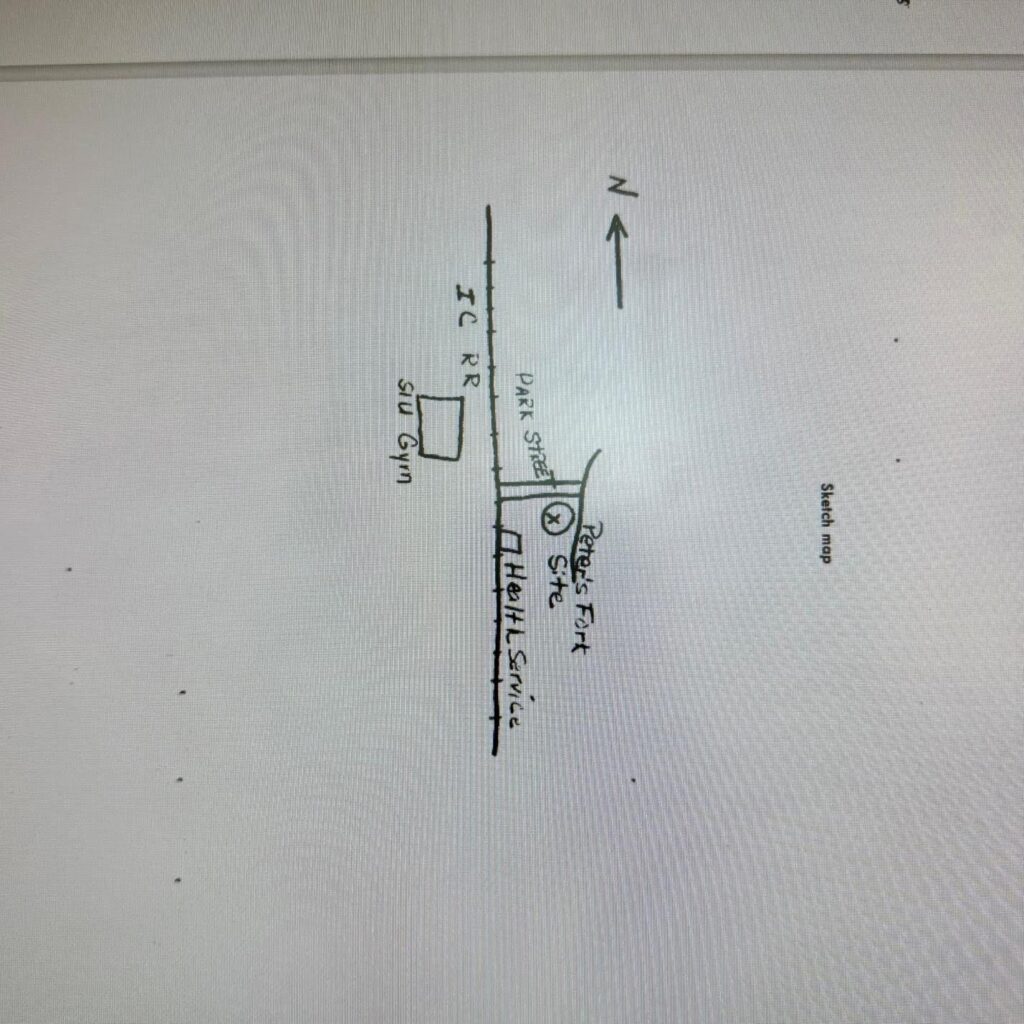
Hand-drawn map showing the Geodesic Site near Schneider Hall on the SIU Carbondale campus

A Geodesic Building That Never Was

After checking around with some other knowledgeable people, I learned there was a planned geodesic building intended to be the new school of design for the University. Bucky was being contracted as a visiting professor by this time, so his influence on the planned school of design building came as no surprise. For reasons unclear at this point, the geodesic building was scrapped, and the school of design was moved into the nearby barracks, which are located next to the train tracks that bisect town. I speculate the construction of the geodesic building was abandoned because student housing quickly became a critical issue at that time and the University needed a solution pronto. The administration may have figured that with the salvage excavation having already been completed for the geodesic building, time could be saved, thus expediting the construction of additional dorms. Salvage excavations can take several years to complete if something important is found. 

Each of the three student highrises, (colloquially known as the Towers) erected in the geodesic’s place, were completed by the mid to late 1960s, and Schneider Hall sits directly adjacent (if not on top of) to the prehistoric village. Per Dr. Campbell, the village measured approximately 50×200 feet. Its location makes sense given the fact there is a nearby creek that still retained a fair amount of water during a drought late September, 2025. Most pre-Contact habitation sites are located near a reliable water source. It is interesting how moving forward often intersects with the past.
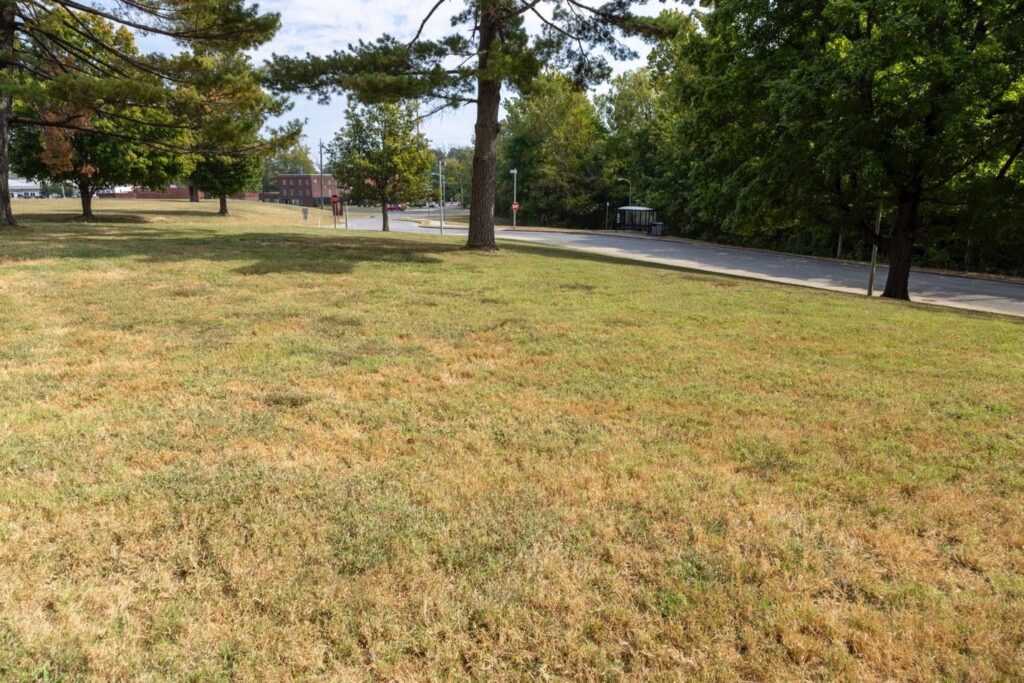
Grassy area near Schneider Hall marking the approximate location of the prehistoric village at SIU Carbondale
The approximate location of the village.
Schneider Hall viewed from the hill where the prehistoric village once stood at SIU Carbondale
Looking up at the hill where the village once stood, and Schneider Hall.
Schneider Hall at SIU Carbondale
Schneider Hall at Southern Illinois University Carbondale.
Creek near the Geodesic Site at SIU Carbondale during a drought in September 2025
The nearby creek during a prolonged drought in late September, 2025.

Looking to the Cosmos

In many ways, several guiding principles were shared between Bucky and prehistoric man. It is becoming clearer the extent prehistoric people incorporated the cosmos into their everyday belief systems. Many ancient ceremonial geographies have been found around the world,  with some dating back several thousand years, that involve an aspect (or aspects) of the relative movement of our cosmos to us earth dwellers. The mechanisms of these celestial movements are core to Bucky’s concept of synergistics.

Doing More With Less

Sustainability was also a shared guiding principle between Bucky and prehistoric man. Sustainable living was essential during ancient times because resource mismanagement would have led to their swift demise. An example of this can be seen in the fact prehistoric man would either restore, recycle, or upcycle stone tools over and over again, until they could no longer be used for anything at all. Spear points would be converted into drills (and then used until the bit was fully worn), and hoes could be repurposed into adzes. Earth’s past people depended on the value of doing more with less.

What the Past Can Teach the Future

Last, it takes the latter half of an age of  perceived excess for us to relearn the importance of this intersection between our past and our future. Many people have said Bucky was inventing solutions for problems that did not exist. This is the problem with times of excess – they give a false sense of security. Sustainability is always crucial, including during times of perceived excess. The “good times” are always fleeting, and potentially damaging for the longterm, and we cannot allow them to shortchange our generations to come.

Mike Chervinko